
Step-by-step Guide to Fixing Squeaky Wooden Floors and Doors Guide
I’ve lost count of how many homes I’ve walked through where every single footstep sounds like a dying orchestra. Here’s the ugly truth: most homeowners think living with squeaky wooden floors and doors is just part of the charm of an older house. It’s not. It’s structural friction throwing a tantrum. If you are tired of waking up the entire household every time you sneak to the kitchen for a glass of water, you are in the right place. Trust me on this—silencing these noises doesn’t require a master carpenter’s degree or a thousand-dollar contractor bill. It requires patience, a handful of specific hardware store items, and a willingness to get on your knees. Let’s dive right in.
- • Why Your Wooden Floors Scream (And How to Locate the Culprit)
- ↳ The Talcum Powder Quick-Fix for Tongue-and-Groove Hardwoods
- ↳ Driving Counter-Screws Through the Subfloor
- • Silencing the Groans: How to Fix Squeaky Wooden Doors
- ↳ Dealing with Door Binding and Frame Friction
- • Proactive Maintenance Tips to Keep Your Home Quiet
- ↳ Can I use olive oil or cooking spray on a squeaky door hinge?
- ↳ What if I screw into a floor joist and the squeak still doesn't go away?
- ↳ Will fixing squeaky floors ruin my hardwood finish?
- ↳ How often should I lubricate my interior door hinges?
Key Takeaways & Quick Overview
AI Verified
- ✔Step-by-step guide to fixing squeaky wooden floors and doors guide i’ve lost count of how many homes i’ve walked through where every single footstep sounds like a dying orchestra.
- ✔Here’s the ugly truth: most homeowners think living with squeaky wooden floors and doors is just part of the charm of an older house.
- ✔It’s structural friction throwing a tantrum.
- ✔If you are tired of waking up the entire household every time you sneak to the kitchen for a glass of water, you are in the right place.
Why Your Wooden Floors Scream (And How to Locate the Culprit)
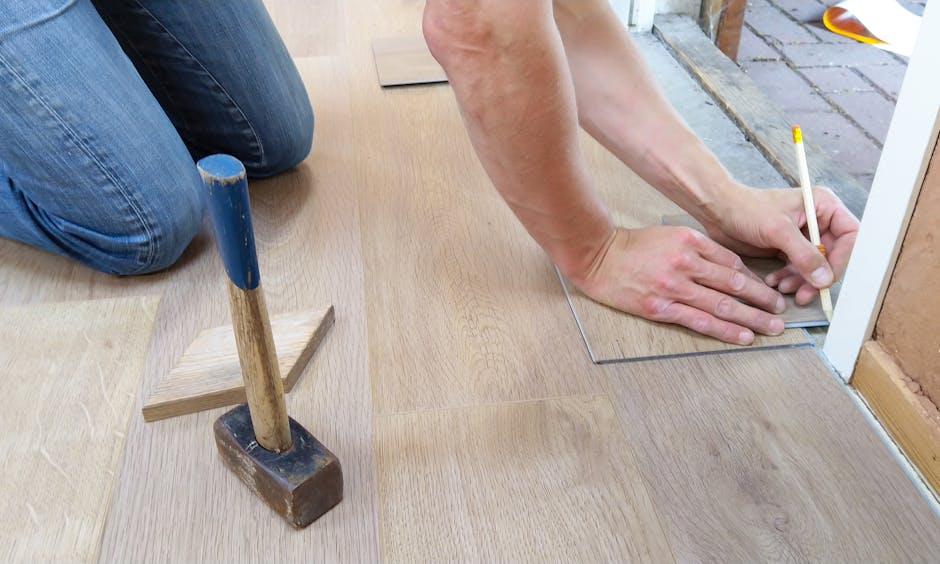
Wood expands. Wood shrinks. Nails back out. Humidity spikes, and suddenly your subfloor is rubbing raw against the floorboards above it. That friction is what creates the sound. Before you start driving screws blindly through your beautiful oak flooring, you need to play detective. Walk across the room slowly. Have a buddy listen closely or drop a heavy boot to pinpoint the exact epicenter of the noise. Never guess where the squeak is coming from. Acoustic isolation is everything here.
According to research from the U.S. Forest Service wood science data, dimensional lumber reacts constantly to ambient moisture changes, which is the primary catalyst for loose fasteners. Once you isolate the board, you have to determine if you are dealing with a top-down problem (the floorboard rubbing against the face of the nail) or a bottom-up problem (the subfloor pulling away from the joist).
The Talcum Powder Quick-Fix for Tongue-and-Groove Hardwoods
If your squeak is happening on a surface level where two boards rub together, you might not even need a power tool. Grab some powdered graphite, talcum powder, or even cornstarch. Sprinkle a generous amount over the offending joint. Then, work it deep into the cracks using an old soft-bristle paintbrush or your fingers. Step on the area repeatedly to grind the powder down into the microscopic gaps. The powder acts as a dry lubricant, eliminating the friction. It’s temporary, sure, but it takes two minutes and works wonders for high-traffic pathways.
Driving Counter-Screws Through the Subfloor
When powder fails, hardware takes over. If you have carpeted floors, finding the squeak is harder, but the fix is permanent. You’ll need a specialized breaking-off screw kit (like SqueeeNoMore). For exposed hardwood, the process demands absolute precision. You must pre-drill a tiny pilot hole at an angle—yes, an angle—directly through the floorboard into the joist or subfloor. Drive a trim-head screw down, countersink it slightly, and fill the tiny hole with matching wood putty. Walk on it. Silence.
Silencing the Groans: How to Fix Squeaky Wooden Doors
Floors handled? Good. Now let’s talk about doors. A noisy door will test the patience of a saint. Most people grab a can of WD-40, spray it wildly at the hinge pin, and walk away. Three days later, the squeak returns with a vengeance. Why? Because WD-40 is a solvent, not a proper lubricant. It strips away whatever grease is left and eventually gums up with dust.
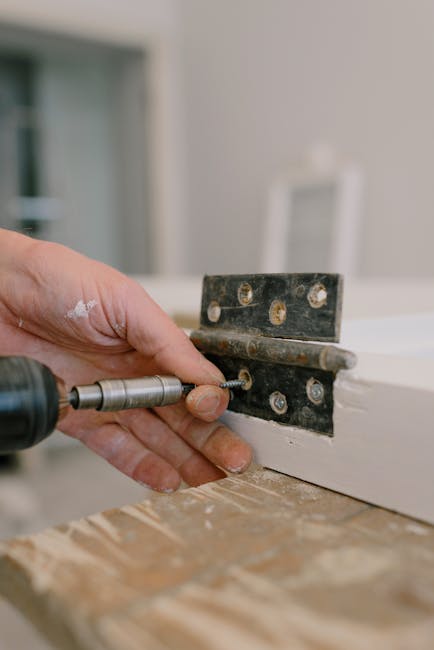
To fix a door hinge permanently, you need to lift the pin out. Grab a hammer and a nail punch, tap the pin up from the bottom, and pull it completely free. Wipe the pin down with a rag to clear off the black, metallic gunk that has built up over the years. Next, apply a liberal coating of white lithium grease or petroleum jelly to the pin. Pop it back into place, swing the door back and forth a dozen times to distribute the lubricant, and wipe away the excess. If the squeak persists, the hinge leaves might be slightly out of alignment, requiring a gentle tap with a mallet or a slight adjustment to the mounting screws.
Dealing with Door Binding and Frame Friction
Sometimes the noise isn’t a squeak at all—it’s a groan caused by the door rubbing against the jamb. According to insights from the National Association of Home Builders, seasonal humidity shifts cause wood frames to twist slightly. If your door is sticking or scraping the top corner, check your hinges. A loose screw on the top hinge will cause the entire door to sag. Tighten it up. If the wood itself has swollen past its limits, you may need to take a block plane or a coarse sanding block to the edge of the door. Paint the raw edge afterward to seal out future moisture.
Proactive Maintenance Tips to Keep Your Home Quiet
Fixing these issues once feels great, but preventing them from coming back feels even better. Invest in a decent hygrometer to monitor your home’s indoor humidity. Keeping your home between 35% and 55% relative humidity stops wood from violently expanding and contracting. When you clean your floors, avoid dumping excessive water onto hardwood; moisture penetration is the absolute enemy of tight subfloors and silent footsteps.
Frequently Asked Questions
Can I use olive oil or cooking spray on a squeaky door hinge?
Please don’t. While it might stop the noise for an afternoon, vegetable oils turn rancid, sticky, and attract dust and pet hair rapidly. Stick to white lithium grease, petroleum jelly, or 3-in-1 machine oil for long-lasting results.
What if I screw into a floor joist and the squeak still doesn’t go away?
If the squeak persists after driving a screw, the gap is likely between the subfloor and the joist itself, rather than the finished flooring. You may need to access the area from below (like an unfinished basement or crawlspace) and drive a short screw upwards through the joist into the subfloor, or use a specialized shim and construction adhesive.
Will fixing squeaky floors ruin my hardwood finish?
Not if you use the right tools. By utilizing specialized breakaway screws designed for hardwood or drilling precise, tiny pilot holes that get filled with colored wood putty, the repair remains virtually invisible to the naked eye.
How often should I lubricate my interior door hinges?
Once a year is plenty. If you live in an exceptionally dusty or coastal environment with high salt air, you might need to clean and re-grease them every six months to prevent premature wear and tear.