
Step-by-step Guide to Building a Practical Shopping List That Saves Money Guide
I’ve watched families throw away a literal mortgage payment every single year just by walking down the grocery store aisles without a plan. Here’s the ugly truth: supermarkets are multi-million dollar psychological testing facilities. Every endcap display, every strategically placed candy bar, and every scent pumping through the vents is designed to hijack your dopamine receptors and empty your wallet. If you walk into a store without a weapon—a battle-tested, ironclad shopping list—you are already losing. I’ve spent years analyzing household spending habits, and I can tell you that the difference between spending $150 a week on food and $250 isn’t your income. It’s your preparation. Trust me on this: mastering how to build a practical shopping list is the single highest-return skill you can learn this year.
- • Audit Your Real Inventory Before You Write a Single Word
- • Map Your Menu Around Weekly Loss-Leaders
- • Categorize Your List by Store Geography
- • Implement the "One-In, One-Out" Rule for Prepared Foods and Snacks
- ↳ Should I use a digital app or a paper list for grocery shopping?
- ↳ How far in advance should I plan my weekly shopping list?
- ↳ What do I do when I see an unlisted item on sale at the store?
- ↳ How do I stop impulse buying items near the checkout counter?
Key Takeaways & Quick Overview
AI Verified
- ✔Step-by-step guide to building a practical shopping list that saves money guide i’ve watched families throw away a literal mortgage payment every single year just by walking down the grocery store aisles without a plan.
- ✔Here’s the ugly truth: supermarkets are multi-million dollar psychological testing facilities.
- ✔Every endcap display, every strategically placed candy bar, and every scent pumping through the vents is designed to hijack your dopamine receptors and empty your wallet.
- ✔If you walk into a store without a weapon—a battle-tested, ironclad shopping list—you are already losing.
Audit Your Real Inventory Before You Write a Single Word
Stop guessing what you have in your pantry. I see this amateur mistake all the time. People sit down at the kitchen table, stare blankly at a wall, and try to remember if they have olive oil or cumin. Then they buy duplicates of things they already own three of, letting the older ones expire in the dark back corners of the cupboard.
You need to run a physical audit. Open your fridge. Check the freezer. Look behind the canned goods. According to the USDA food waste data, the average American household wastes roughly 30 to 40 percent of the food supply they purchase. That is insane. When you build your shopping list, your first column shouldn’t be what you want to buy—it should be what you actually need to use up.
- The 3-Day Rule: Look at perishables that are on their last legs. Build your first three dinners around those ingredients.
- Pantry Staple Check: Only add basics like flour, sugar, or spices if your container is less than a quarter full.
- Freezer Purge: Find that mystery meat from three months ago? Put it on the menu for this week instead of buying fresh protein.
Map Your Menu Around Weekly Loss-Leaders
Grocery stores use a tactic called “loss-leaders.” They price chicken breasts, milk, or eggs below cost just to get your feet in the building, planning to make their margin back when you impulse-buy the artisan potato chips and organic kombucha.
Here is where you flip the script. Open your local grocery store’s digital app or flyer before you touch your pen to paper. What is on sale this week? If pork shoulder is $1.49 a pound, congratulations—you are eating carnitas this week. Building a practical shopping list means anchoring your meals to discounted items. If you write your menu *before* looking at the sales, you are lighting cash on fire.
Categorize Your List by Store Geography
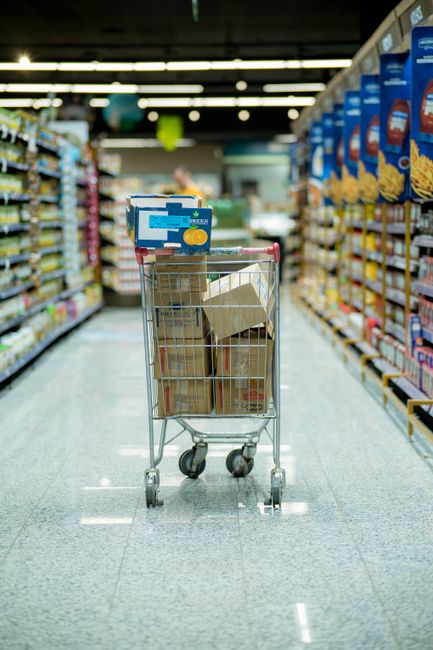
Chaos costs money. If your shopping list is a random brain-dump scribbled on the back of a receipt—eggs at the top, frozen pizza at the bottom, bananas somewhere in the middle—you will zig-zag across the store five times. And every extra foot you walk past the bakery or the seasonal aisle increases the statistical probability that you will buy something stupid you don’t need.
Organize your list by the physical layout of your supermarket:
- Produce: Get the heavy, bulky items first so you don’t crush them later.
- Meat & Seafood: Keep these cold and separate.
- Center Aisles (Dry Goods & Canned): Hit these methodically. Stick strictly to the items you checked off.
- Dairy & Refrigerated: Grab these near the end so they stay cold on the drive home.
- Frozen: The absolute last stop before the registers.
As Consumer Reports grocery study points out, shoppers who follow a strict, department-ordered list spend significantly less time and money in the store than unguided wanderers. Speed is your shield against marketing gimmicks.
Implement the “One-In, One-Out” Rule for Prepared Foods and Snacks
We all fall into the convenience trap. We buy pre-cut melon, pre-marinated chicken skewers, or expensive snack packs because we are tired after a long workday. I’m not going to tell you to chop every carrot from scratch if your schedule doesn’t allow it. But I *am* going to tell you to put a strict ceiling on convenience items.
For every processed, high-margin item you add to your shopping list, you must balance it with a scratch-made baseline ingredient. If you buy the expensive frozen dinners for busy nights, you cannot also buy the gourmet specialty cheeses or luxury coffee beans. Force yourself to make trade-offs. This psychological friction stops runaway grocery budgets in their tracks.
Frequently Asked Questions
Should I use a digital app or a paper list for grocery shopping?
It depends on your personal discipline, but studies show that physical lists written by hand require more cognitive engagement, making you less likely to deviate from them. However, if you share a household, a shared real-time app prevents double-buying items someone else already grabbed.
How far in advance should I plan my weekly shopping list?
Aim for exactly seven days. Planning for two weeks out usually fails because fresh produce goes bad, schedules change, and you end up eating out anyway. Keep it tight, realistic, and focused on a single week.
What do I do when I see an unlisted item on sale at the store?
Ask yourself one question: “Would I buy this at full price today if I hadn’t seen the yellow tag?” If the answer is no, leave it on the shelf. A discount on something you don’t need is still a 100% net loss of money.
How do I stop impulse buying items near the checkout counter?
The checkout lane is a predator zone. Keep your eyes locked forward, put your headphones in with a podcast or music playing, and focus entirely on unloading your cart. If you need a distraction, review your list to check off what you’ve purchased.