
Practical Tips for Buying Quality Bedding Textiles That Last for Years Guide
I’ve cut open hundreds of cheap bedsheets over the years. Some frayed into dust after three trips through the washing machine. Others—the ones that cost a bit more upfront—felt softer the decade after I bought them. Here’s the ugly truth: the bedding industry relies on marketing tricks to sell you flimsy garbage disguised as luxury. They print massive thread counts on shiny boxes, use slick buzzwords, and hope you won’t notice when your fitted sheet pills into a fuzzy nightmare by month six. Trust me on this: once you learn how to spot real quality, you’ll never fall for the hype again. Let’s look past the slick packaging and figure out how to buy textiles that actually survive the test of time.
- • The Thread Count Trap: Why 1,000 Threads Means Nothing
- ↳ Staple Length Over Marketing Numbers
- • Decoding Weaves: Percale vs. Sateen vs. Linen
- ↳ The Rise of Flax Linen
- • Evaluating Construction and Stitching Quality
- ↳ The Button and Zipper Test
- • Caring for Your Investment Textiles
- ↳ Does organic cotton actually last longer than conventional cotton?
- ↳ Why do my new sheets pill, and can I fix it?
- ↳ How often should I wash high-end bedding?
- ↳ Is bamboo rayon a durable choice for bedding?
Key Takeaways & Quick Overview
AI Verified
- ✔Practical tips for buying quality bedding textiles that last for years guide i’ve cut open hundreds of cheap bedsheets over the years.
- ✔Some frayed into dust after three trips through the washing machine.
- ✔Others—the ones that cost a bit more upfront—felt softer the decade after i bought them.
- ✔Here’s the ugly truth: the bedding industry relies on marketing tricks to sell you flimsy garbage disguised as luxury.
The Thread Count Trap: Why 1,000 Threads Means Nothing
Let’s clear the air right now. A 1,000-thread-count sheet set is almost always a marketing scam. Physics dictates that you cannot physically pack 1,000 individual threads into a single square inch of standard cotton without using multi-ply yarns—which are basically weaker, twisted threads that break faster. Brands play games with math. They count individual strands inside the ply to inflate the number on the box.
What actually matters? Staple length and sheer weight. Extra-long staple (ELS) cotton—think genuine Egyptian or Supima cotton—features longer fibers that create fewer loose ends. Fewer ends mean less pilling, a smoother hand-feel, and a fabric that doesn’t disintegrate when you look at it wrong. According to guidelines often discussed by industry groups like Textile Exchange, material origin and fiber integrity heavily outweigh numerical metrics.
Staple Length Over Marketing Numbers
When you shop, ignore the giant numbers slapped on the front label. Flip the package over. Look for the specific fiber designation. If it just says “100% Cotton” without specifying Pima, Supima, or Egyptian, you’re usually getting short-staple Upland cotton. It’s rougher, weaker, and pills aggressively. Want to test a textile in the store? Hold it up to the light. If the weave looks uneven or translucent like cheesecloth, put it back on the shelf.
Decoding Weaves: Percale vs. Sateen vs. Linen
Weave dictates performance. Two identical cottons will feel and age completely differently depending on how the loom interlaced the threads. You aren’t just picking a texture; you’re picking a lifespan.
Percale is the workhorse. It uses a simple one-over, one-under grid pattern. It feels crisp, breathes like an open window, and gets softer with every single wash. If you sleep hot and want sheets that last a decade, percale is your best friend. It doesn’t have the instant silkiness of sateen, but it wears like iron.
Sateen, on the other hand, uses a four-over, one-under floating pattern. This exposes more thread surface to your skin, creating that heavy, lustrous drape. It feels incredible in November. But here is the catch: those floating threads snag easily. Pets, jewelry, and rough skin will pull sateen faster than percale. If you buy sateen, you are trading long-term durability for immediate, hotel-style luxury.
The Rise of Flax Linen
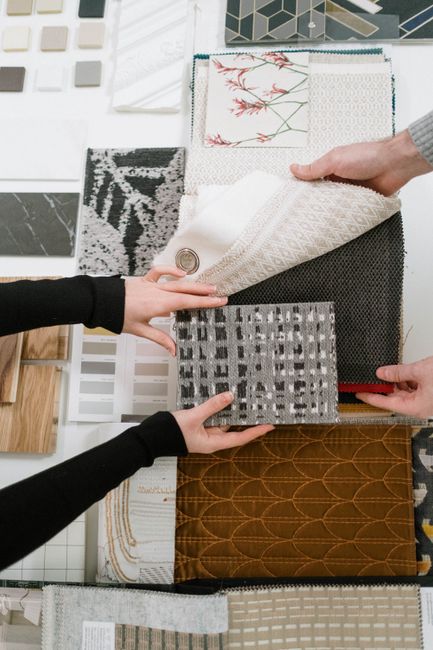
Linen is a different beast entirely. Made from the flax plant, its fibers are hollow, stiff at first, and virtually indestructible. I have linen pillowcases from my grandmother that outlive modern polyester blends by a generation. Linen requires patience—it feels like sleeping in a lightly starched paper bag for the first week. Then, the magic happens. The fibers break down, draping around your body like liquid butter. It regulates temperature better than cotton and shrugs off abrasion.
Evaluating Construction and Stitching Quality
You can buy the best Supima cotton on earth, but if the sewing is garbage, the item is trash. I always flip fitted sheets inside out before judging them. Look at the seams. Are they raw edges covered by a quick zig-zag stitch? Run away. That will unravel the second it hits a high-heat spin cycle.
True quality requires double-stitched felled seams or enclosed French seams. Look at the elastic on the fitted sheet, too. Cheap brands use thin, flimsy rubber bands that snap or lose elasticity within six months. Quality textiles feature thick, encased elastic that runs all the way around the perimeter, not just at the four corners. Referencing ASTM International standards for textile testing can give you a deeper appreciation for how seam strength and tear resistance are measured in industrial settings.
The Button and Zipper Test
Duvet covers and pillow shams live and die by their closures. Plastic buttons snap under slight tension. Hidden metal zippers jam or tear the surrounding fabric. Look for thick, four-hole corozo or resin buttons sewn on with heavy-duty cross-stitching, or deep-flap envelope closures on pillowcases that require zero mechanical hardware.
Caring for Your Investment Textiles
You can ruin a $300 sheet set in a single laundry cycle if you don’t respect the fiber. Here is how I keep my textiles alive for years:
- Skip the fabric softener: It coats the fibers in a waxy chemical film that ruins breathability and attracts body oils. Use wool dryer balls instead.
- Wash on cool: High heat bakes residual body oils and sweat directly into the fiber core, making them brittle over time.
- Avoid high-heat tumbling: Pull your sheets out while they are still slightly damp and let them air dry the rest of the way. Constant scorching destroys elastic and cotton alike.
Investing in quality bedding isn’t about buying status symbols with inflated price tags. It’s about understanding the mechanics of fibers, demanding honest construction, and treating your textiles with basic respect. Once you make the switch, your sleep—and your wallet—will thank you.
Frequently Asked Questions
Does organic cotton actually last longer than conventional cotton?
Not inherently. The “organic” label simply means the crop was grown without synthetic pesticides or fertilizers, which is great for the environment and farm soil. However, fiber length and yarn spinning quality dictate durability. An organic cotton with short staple lengths will still wear out faster than a high-grade conventional long-staple cotton.
Why do my new sheets pill, and can I fix it?
Pilling happens when short, broken fibers work their way to the surface and tangle into tiny balls. It is common in lower-quality cottons or sateen weaves that have experienced friction. You can gently shave them off with a fabric pill remover, but once the structural fibers begin breaking down, the pilling will eventually return.
How often should I wash high-end bedding?
Wash your sheets and pillowcases once a week. Dead skin cells, sweat, and natural body oils break down textile fibers over time if left to accumulate. Washing them weekly in cool water with a mild detergent actually extends their life by preventing buildup from rotting the fibers from the inside out.
Is bamboo rayon a durable choice for bedding?
Rayon, modal, and lyocell derived from bamboo are technically semi-synthetic regenerated cellulose fibers. While bamboo lyocell (often sold as Tencel) is produced in a closed-loop system that preserves structural strength better than standard rayon, bamboo textiles generally have lower wet strength than high-staple cotton or linen. Handle them carefully when wet.