
Here’s the ugly truth about home appliances: the price tag on the showroom floor is a lie. Well, not a legal lie, but a psychological trap. I’ve watched homeowners drop a grand on a sleek, stainless-steel refrigerator, thinking they scored a deal, only to watch their next three utility bills creep up like a slow-acting poison. They ignored the small print. They ignored the yellow sticker. Trust me on this—buying an appliance without calculating its lifecycle energy cost is like buying a Ferrari with a hole in the gas tank.

- • Decoding the Yellow Sticker: Beyond the Marketing Hype
- • The Real Culprits: Where Your Power Actually Goes
- • The Lifecycle Calculation: Initial Price vs. Operating Expense
- • How to Future-Proof Your Home Against Rising Energy Rates
- ↳ Are appliance energy ratings legally mandated to be accurate?
- ↳ Do smart features on appliances actually increase power usage?
- ↳ How long does it take for a high-efficiency appliance to pay for itself?
- ↳ Is it worth repairing an old inefficient appliance or buying a new one?
Key Takeaways & Quick Overview
AI Verified
- ✔Here’s the ugly truth about home appliances: the price tag on the showroom floor is a lie.
- ✔Well, not a legal lie, but a psychological trap.
- ✔I’ve watched homeowners drop a grand on a sleek, stainless-steel refrigerator, thinking they scored a deal, only to watch their next three utility bills creep up like a slow-acting poison.
- ✔Trust me on this—buying an appliance without calculating its lifecycle energy cost is like buying a ferrari with a hole in the gas tank.
Decoding the Yellow Sticker: Beyond the Marketing Hype
Every time you stand in a big-box store staring at rows of refrigerators, washers, and dishwashers, you’ll see that iconic yellow EnergyGuide label. Most people glance at it, see a big number representing estimated yearly electricity use, and move on. Big mistake.
That number is an average based on national utility rates. Unless your household habits match an arbitrary, government-defined standard family of four who runs loads at specific temperatures, that estimate is essentially useless to you. I live in the Pacific Northwest; my electricity rates look nothing like someone’s in rural Texas. To truly compare appliances, you have to dig into the granular data. Look past the big bold kilowatt-hour (kWh) per year figure and find the fine print at the bottom. That tells you what the machine costs to run based on the national average cost of electricity—usually pegged around 12 to 14 cents per kWh.
If your local utility charges 22 cents per kWh (and many major metro areas do), you need to do simple math. Multiply the annual kWh usage on the label by your actual utility rate found on your last power bill. That gives you your real-world annual operating cost. Suddenly, that $100 price difference between two dishwashers disappears when the “cheaper” model eats an extra $45 in power every single year.
The Real Culprits: Where Your Power Actually Goes
Let’s talk about the hardware. Not all appliances are created equal, and some drain your wallet in ways the rating labels conveniently gloss over. Take water heaters and clothes dryers. These thermal monsters consume more juice than your living room entertainment center could ever dream of. According to insights from the Energy Star program, heating water and drying clothes make up a massive chunk of the average residential utility bill.
When you’re comparing energy ratings on a dryer, look for moisture sensors. Older models (and cheap modern ones) run on a timer. They tumble your clothes for 60 minutes whether they are dripping wet or bone dry, burning electricity for fun. Smart units with automatic termination cycles shut off the second the laundry reaches optimal dryness. That single feature can shave 15% off that appliance’s operational cost over its lifespan.
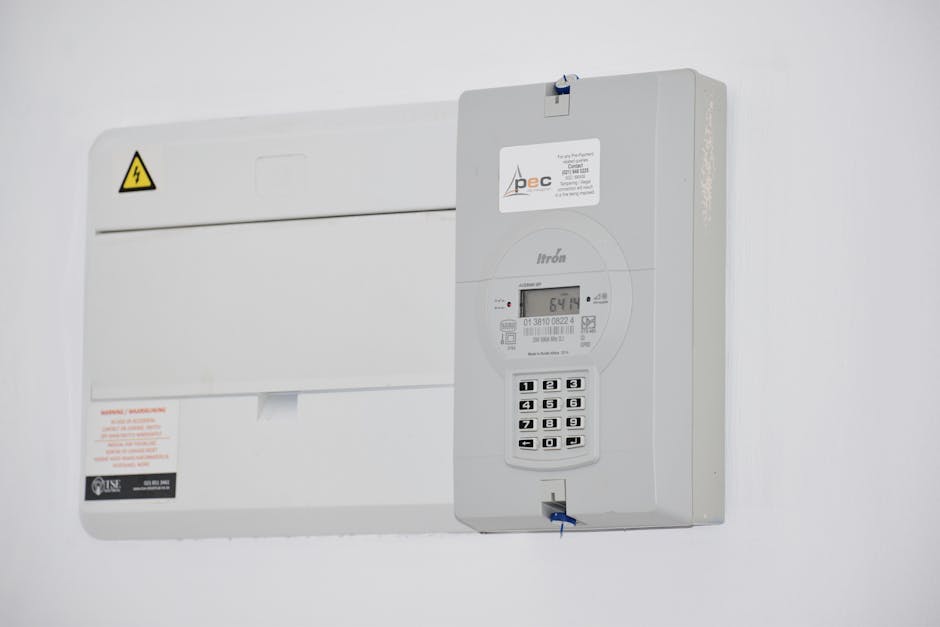
Then there’s the refrigerator. It runs 24/7/365. It never sleeps. A 10% variance in efficiency on a fridge translates to real money over a 12-year lifespan. When comparing models, pay attention to configuration. Top-freezer models are inherently more efficient than side-by-side or French-door units with bottom freezers and external ice dispensers. Why? Because cold air falls. Every time you open a bottom-drawer freezer, you dump a heavier volume of chilled air onto the floor. French doors require extra heaters in the frame to prevent condensation build-up—heaters that pull continuous wattage.
The Lifecycle Calculation: Initial Price vs. Operating Expense
I always run a quick mental spreadsheet before advising anyone on a major home purchase. You have to balance the initial capital expense against the long-term operational drag.
Let’s look at a real-world scenario:
- Model A: Costs $700 upfront. Uses 550 kWh/year.
- Model B: Costs $950 upfront. Uses 380 kWh/year.
At a standard rate of $0.15 per kWh, Model A costs $82.50 a year to run. Model B costs $57.00. That’s a savings of $25.50 annually. Over a conservative 10-year lifespan, Model B saves you $255 in electricity. Subtract that from the $250 price premium, and Model B actually costs *less* over time, while offering superior features and build quality. The Federal Trade Commission guide consistently emphasizes this exact point: high-efficiency models almost always pay for themselves before they kick the bucket.
Don’t fall for the greenwashing trap either. Manufacturers love slapping words like “Eco” or “Smart” on a control panel. If the underlying compressor or motor technology hasn’t changed, that Wi-Fi chip is just adding an extra watt of phantom draw while you sleep.
How to Future-Proof Your Home Against Rising Energy Rates
Electricity prices aren’t going down. Grid infrastructure is aging, fossil fuel markets fluctuate, and demand is skyrocketing due to electric vehicles and home data centers. If you want to shield yourself from utility shocks, your appliance purchasing strategy needs to be ruthless.
First, prioritize variable-speed compressors and inverter technology. Traditional appliances operate on a binary switch: they are either 100% on or 100% off. Imagine driving your car with only two speeds: floor-it or slam-the-brakes. Terrible for gas mileage, right? Inverter motors ramp up and down smoothly, maintaining precise temperatures without drawing massive power surges every time the motor kicks in. When reading specifications, look for terms like “brushless DC motor” or “linear compressor.”
Second, check for standby power consumption, often called “vampire load.” Many modern appliances feature touchscreens, digital clocks, and always-on network cards. If a coffee maker or microwave draws 5 watts continuously just to display a blinking clock, that’s nearly 44 kWh a year—about $7 to $10 of electricity burned into thin air while nobody is home. Multiply that across ten appliances in a modern kitchen, and you’re paying a hundred bucks a year just for your kitchen to glow in the dark.
Bottom line? Stop shopping based on aesthetics and brand loyalty alone. Dig into the numbers, calculate your local rate against the yearly kilowatt usage, and buy the most efficient machine you can realistically afford. Your bank account will thank you five years from now when your neighbor is complaining about their summer power bill.
Frequently Asked Questions
Are appliance energy ratings legally mandated to be accurate?
Yes, in the United States, programs like Energy Star and regulatory bodies ensure that manufacturers test appliances under standardized conditions set by the Department of Energy. However, real-world usage will always vary based on your climate, household size, and personal habits.
Do smart features on appliances actually increase power usage?
Marginally, yes. Having a Wi-Fi connection active 24/7 adds a small phantom electrical draw. While a single smart appliance won’t break the bank, multiple connected devices can add up over the course of a year.
How long does it take for a high-efficiency appliance to pay for itself?
It depends on the appliance category and your local utility rates. Typically, high-efficiency refrigerators and washing machines recover their initial price premium through energy and water savings within 3 to 6 years of operation.
Is it worth repairing an old inefficient appliance or buying a new one?
If an appliance is past its expected lifespan (usually 10 to 15 years for major units) and requires an expensive repair, replacement is almost always the smarter financial move. Modern units are dramatically more efficient than models built two decades ago.