
How to Build Better Reading Habits Using Daily Timed Intervals Guide
Let’s cut the crap. You don’t lack time. You lack friction control. Every single year, you buy a stack of ambitious non-fiction or sprawling fiction, swear this is the time you’ll become a voracious reader, and watch those same books gather dust on your nightstand. I’ve noticed the same pattern in myself for years. We treat reading like a luxury chore—something we will “get to” once the emails are cleared, the dishes are done, and the kids are asleep. Spoiler alert: that hour of free time never arrives. Exhaustion wins. Netflix wins. You end up scrolling TikTok until your eyes bleed. If you want to fix this, you have to stop relying on motivation. You need a system. Specifically, you need to weaponize time blocking. Welcome to the brutal, highly effective reality of building reading habits using daily timed intervals.
- • Why Traditional Reading Goals Fail Every Time
- • The Mechanics of the 20-Minute Interval Method
- • Advanced Interval Stacking for Maximum Output
- ↳ What if I fall asleep during my evening reading interval?
- ↳ Should I use an e-reader or physical books for timed intervals?
- ↳ What happens if I miss a day?
- ↳ Can I listen to audiobooks using timed intervals?
Key Takeaways & Quick Overview
AI Verified
- ✔How to build better reading habits using daily timed intervals guide let’s cut the crap.
- ✔Every single year, you buy a stack of ambitious non-fiction or sprawling fiction, swear this is the time you’ll become a voracious reader, and watch those same books gather dust on your nightstand.
- ✔I’ve noticed the same pattern in myself for years.
- ✔We treat reading like a luxury chore—something we will “get to” once the emails are cleared, the dishes are done, and the kids are asleep.
Why Traditional Reading Goals Fail Every Time
“I’m going to read 50 pages a day.” Sound familiar? It’s a nice thought. It’s also a trap. When you anchor your habit to an output metric like page count, your brain immediately calculates the effort required. Fifty pages of dense geopolitical history feels very different from fifty pages of a fast-paced thriller. When you hit a boring chapter, your speed drops to a crawl. The resistance builds. You start skipping days. Before you know it, the goal is dead.
Here is where Atomic Habits research flips the script on traditional goal-setting. Instead of focusing on the destination, you obsess over the input. Time is constant. Fifty pages might take you two hours on a bad day or twenty minutes on a good one. But twenty minutes? Twenty minutes is finite. You can bargain with twenty minutes.
When you shift your focus from pages to minutes, you remove the psychological weight of the task. You aren’t committing to finishing a book. You are simply committing to sitting in a chair and looking at words for a predetermined block of time. According to various cognitive benefits of reading studies, even short, consistent bursts of deep reading drastically lower stress levels and improve focus. The timer rings, you stop. Or, more often than not, you keep going because the hardest part—starting—is already behind you.
The Mechanics of the 20-Minute Interval Method
Forget hour-long reading sessions. If you are starting from scratch, an hour is an eternity. Your brain will mutiny. Instead, we are going to use micro-intervals. Specifically, the 20-minute daily block.
Why twenty minutes? Because anyone can find twenty minutes. You can carve twenty minutes out of your lunch break. You can steal twenty minutes before you turn on the morning coffee maker. It is short enough to bypass your brain’s internal resistance engine, yet long enough to sink into a state of “flow.”

Here is the exact framework to execute this without failing:
- Choose Your Trigger: Attach your reading interval to an existing habit. “After I pour my morning coffee, I sit down with my book.”
- Banish the Phone: Put your smartphone in another room. Not face down on the desk. Another room. If it’s within arm’s reach, your interval is already compromised.
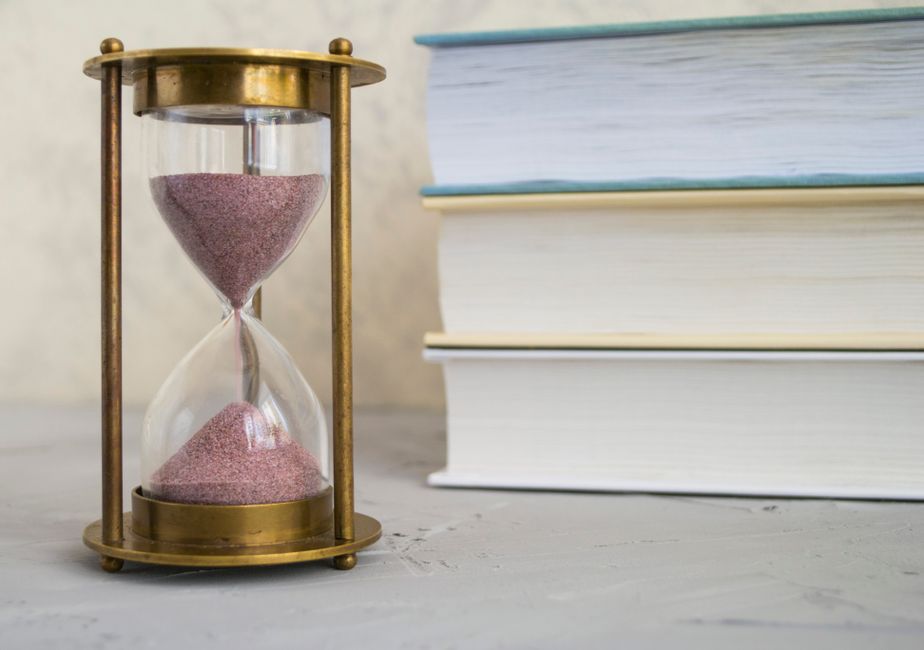
- Set a Hard Physical Timer: Do not use your phone as a timer. Use a cheap kitchen timer or a dedicated countdown clock.
- Read Without Judgment: When the timer starts, you read. If your mind wanders, gently pull it back. When the timer goes off, you are free to stop.
Trust me on this: the ritual matters more than the volume. Consistent repetition rewires your identity. As Stanford habit formation insights continually demonstrate, tying a new behavior to a concrete environmental cue builds automaticity faster than sheer willpower ever could.
Advanced Interval Stacking for Maximum Output
Once you survive two weeks of a single 20-minute daily interval, the habit starts to stick. The friction decreases. This is when you can scale. But don’t just jump to a 60-minute block—that’s a rookie mistake that leads right back to burnout. Instead, use interval stacking.
Break your reading across the day into strategic sprints:
- Sprint 1 (Morning): 15 minutes of heavy non-fiction while your brain is sharp.
- Sprint 2 (Midday): 10 minutes of fiction or poetry during lunch to reset your nervous system.
- Sprint 3 (Evening): 20 minutes before bed to wind down away from blue light.
That is forty-five minutes a day, split into digestible chunks that never feel burdensome. Over the course of a year, forty-five minutes a day translates to roughly 25 to 30 books. All without ever feeling like you “sacrificed” your precious free time.
Frequently Asked Questions
What if I fall asleep during my evening reading interval?
Stop reading in bed. Bed is for sleep. If you try to read horizontal at 10:30 PM after a grueling workday, your circadian rhythm is going to win every time. Move your evening interval to a comfortable armchair with good lighting, or shift your intervals to earlier in the day.
Should I use an e-reader or physical books for timed intervals?
It depends on your kryptonite. If you get distracted by notifications, use a dedicated e-ink device like a Kindle Paperwhite with Wi-Fi turned off, or stick strictly to paper. If you struggle with eye strain or love physical margins, stick to paperbacks. The medium matters less than the elimination of digital distractions.
What happens if I miss a day?
Nothing. You don’t panic, and you don’t throw away the entire system. The golden rule of habit building is never miss twice. If you miss Tuesday, Wednesday is not optional—it is mandatory. Pick up your timer, reset the clock, and get back to work.
Can I listen to audiobooks using timed intervals?
Yes, but with a caveat. Audiobooks require active listening to truly count as reading. If you use audiobooks during your timed intervals, pair them with a mechanical action like walking or doing dishes so your mind doesn’t wander off into the ether.