
How to Create a Calming Evening Bedtime Environment for Better Sleep Guide
Look, I’ve been there. Staring at the ceiling at 2:47 AM, replaying that awkward thing I said in a meeting three years ago. If you are reading this, chances are your current bedroom setup is working against you. Most people think fixing their sleep means buying a $2,000 mattress or chugging expensive herbal teas. They miss the elephant in the room. Your physical environment is actively screaming at your nervous system. Let’s fix that. Today, we are breaking down how to create a calming evening bedtime environment for better sleep that actually moves the needle, without turning your home into a sterile monastery.
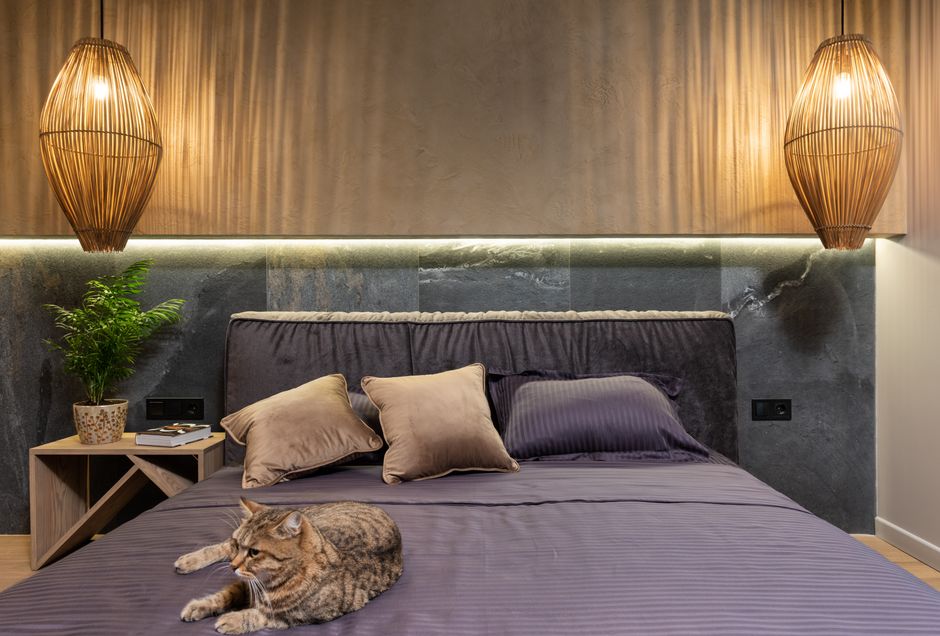
- • The War on Blue Light and Harsh Overhead Bulbs
- • Auditory Sanctuaries: Masking the Chaos of the Modern World
- • Temperature Triage: Why Your Bedroom Is Too Hot
- • Decluttering the Physical Space to Declutter the Mind
- • Olfactory Conditioning: Harnessing Scent for Rapid Wind-Down
- • Tactile Architecture: Fabrics That Actively Soothe Your Skin
- • The Psychology of Boundaries: Keeping the Outside World Outside
- ↳ How long before bed should I dim the lights in my bedroom?
- ↳ Is white noise actually better than total silence for sleeping?
- ↳ What is the ideal bedroom temperature for sleeping?
- ↳ Can scent actually improve sleep quality?
- ↳ Does making my bed in the morning actually impact nighttime sleep?
- ↳ What if I live on a noisy street and a standard fan isn't enough?
Key Takeaways & Quick Overview
AI Verified
- ✔How to create a calming evening bedtime environment for better sleep guide look, i’ve been there.
- ✔Staring at the ceiling at 2:47 am, replaying that awkward thing i said in a meeting three years ago.
- ✔If you are reading this, chances are your current bedroom setup is working against you.
- ✔Most people think fixing their sleep means buying a $2,000 mattress or chugging expensive herbal teas.
The War on Blue Light and Harsh Overhead Bulbs
Here’s the ugly truth about your living space: it was designed for productivity, not rest. Those 5000K daylight-white LED bulbs in your ceiling? They are tricking your brain into thinking it is high noon. When the sun dips below the horizon, your biology expects darkness, or at least a warm, dim glow mimicking a campfire. Switch out your overhead fixtures immediately. Trust me on this. Put amber or warm white bulbs (around 2700K or lower) in your bedside lamps, and for the love of sleep, stop turning on the big overhead light after 8:00 PM.
Research from institutions like Harvard Health Publishing consistently points to light exposure as the primary driver behind disrupted circadian rhythms. But it isn’t just about phones. It’s the ambient domestic lighting hitting your retinas while you scroll on the couch. Dimming your environment gradually signals the pineal gland to start pumping out melatonin. If you want a deeper dive into sleep optimization, check out guidelines from the National Sleep Foundation.
Auditory Sanctuaries: Masking the Chaos of the Modern World
Silence is overrated. Total silence makes every creak of the house sound like an intruder, keeping your amygdala on high alert. What you need is controlled, predictable ambient sound. A decent white noise machine or a dedicated fan does wonders for drowning out erratic street noises, barking dogs, and midnight plumbing groans.
I’ve noticed a massive shift in my own sleep quality the moment I stopped relying on chaotic house sounds. Your brain tracks auditory threats even when you are unconscious. Masking those sudden spikes with pink noise or brown noise keeps your sleep cycles uninterrupted. Keep the volume around the level of a quiet shower—loud enough to muffle disturbances, soft enough not to irritate.

Temperature Triage: Why Your Bedroom Is Too Hot
You can have the coziest room in the world, but if it’s 72 degrees Fahrenheit, you are going to sweat and toss. Human biology requires a drop in core body temperature to initiate and maintain deep sleep. We evolved sleeping as temperatures dropped outdoors. Crank the AC down. Keep your bedroom between 60 and 67 degrees.
Breathable bedding is non-negotiable here. Ditch the polyester sheets that trap heat like a greenhouse. Invest in linen or percale cotton. Pair that with a weighted blanket if you struggle with racing thoughts; the deep pressure stimulation acts like a gentle hug for your nervous system, turning off the mental noise.
Decluttering the Physical Space to Declutter the Mind
Clutter is visual static. Every pile of laundry, every stack of unopened mail, every stray charging cable sends a subconscious to-do list straight to your prefrontal cortex. You cannot rest in a room that feels like a storage unit. Your bedroom must be a sanctuary reserved for two things only: sleep and intimacy.
Clear off the nightstands. Banish work laptops, exercise equipment, and laundry baskets to other rooms. If your phone must be in the room for an alarm, get an old-school analog clock and put the phone across the room inside a drawer. Out of sight, out of mind, out of reach.
Olfactory Conditioning: Harnessing Scent for Rapid Wind-Down
Why do we underestimate our noses? Of all our senses, olfaction takes a direct, unmediated highway straight to the limbic system—the emotional and memory command center of the brain. When you walk into a luxury hotel spa and immediately feel your shoulders drop, that isn’t an accident. They are weaponizing scent psychology against your stress levels.
You can replicate this exact neurological conditioning at home. Introduce a consistent, specific scent into your bedroom thirty minutes before you plan to sleep. Lavender has the clinical receipts to back up its reputation, but if floral notes make you think of your grandmother’s bathroom, pivot to cedarwood, vetiver, or bergamot. The secret weapon here is consistency. Spray your pillowcase or fire up a cold-air diffuser with the exact same blend every single night. Within two weeks, your brain will smell that cedarwood and automatically release the neurochemicals associated with physical surrender.
Tactile Architecture: Fabrics That Actively Soothe Your Skin
Let’s talk about touch. If your skin is fighting your sheets all night, your nervous system remains in a low-grade state of physical irritation. Synthetic microfibers trap body oils and static electricity, creating an invisible cage of discomfort. Why do we tolerate scratchy pajamas and heavy, suffocating blankets when our physical restoration depends on absolute ease?
Upgrade your tactile inputs. Switch to 100% long-staple cotton percale if you run hot, or washed French linen if you appreciate a heavier drape that breathes effortlessly. Pay attention to your sleepwear, too. Ditch the constrictive waistbands and synthetic tags that scratch at your neck. Your body needs to feel unconfined. When your skin perceives zero friction or constriction, the somatic feedback loop tells your brain that you are safe, hidden, and free from external threats.
The Psychology of Boundaries: Keeping the Outside World Outside
Your bedroom is a psychological container. The moment you bring work emails, financial spreadsheets, or high-stress conversations onto the mattress, you shatter that container. How can your brain associate the bed with rest when it spent eight hours that morning serving as an ergonomic home office?
If you live in a tiny studio apartment where zoning your space feels impossible, you have to get creative with physical dividers. Use a folding screen, a heavy curtain track, or even a strategic bookshelf placement to cut your bed off from your waking life. When you make your bed in the morning—and yes, you should make your bed, as military data and behavioral studies show it builds foundational self-discipline—you are setting a boundary. You are declaring that this specific quadrant of your home belongs entirely to peace.
Frequently Asked Questions
How long before bed should I dim the lights in my bedroom?
Start dialing down the lighting intensity about 60 to 90 minutes before your target bedtime. This gives your endocrine system enough runway to ramp up natural melatonin production without abruptly shocking your system.
Is white noise actually better than total silence for sleeping?
For most people, yes. Sudden noises trigger micro-awakenings that disrupt REM and deep sleep stages, even if you don’t remember waking up. White or brown noise creates an auditory blanket that smooths out those sharp acoustic spikes.
What is the ideal bedroom temperature for sleeping?
Most sleep experts recommend keeping your bedroom ambient temperature between 60°F and 67°F (15°C to 19°C). A cooler room facilitates the natural drop in core body temperature required to fall asleep quickly.
Can scent actually improve sleep quality?
Yes, olfactory cues are powerful shortcuts to the limbic system. Scents like lavender, bergamot, or cedarwood can help condition your brain over time to associate those aromas with winding down and letting go of daily stress.
Does making my bed in the morning actually impact nighttime sleep?
Indirectly, absolutely. Behavioral psychology suggests that small keystone habits like making your bed reinforce a sense of order and control, which reduces baseline anxiety and creates a visually serene environment when you return to the room at night.
What if I live on a noisy street and a standard fan isn’t enough?
If ambient urban noise cuts through your standard fan, upgrade to a dedicated sound machine that generates true brown noise, which features heavier bass frequencies. You can also layer physical solutions like heavy blackout thermal curtains, which double as acoustic dampers against street sounds.