
How to Keep Indoor Houseplants Alive and Healthy in Low Light Guide
Let’s be honest for a second. We’ve all bought that gorgeous, deep-green foliage plant from the trendy nursery, convinced it will transform our dark, cave-like apartment into an urban jungle. Three weeks later? It’s dropping leaves like a weeping willow, turning brown, and basically begging for mercy. Here’s the ugly truth: most plant tags lie. When a label says “low light tolerant,” it doesn’t mean “grows happily in a windowless bathroom.” It usually means “survives just long enough to break your heart.” I’ve killed more ferns than I care to admit before finally figuring out the mechanics of low-light survival. If you want actual results instead of a rotating graveyard of dead greenery, you need to understand how plants actually process photons when the sun isn’t cooperating.
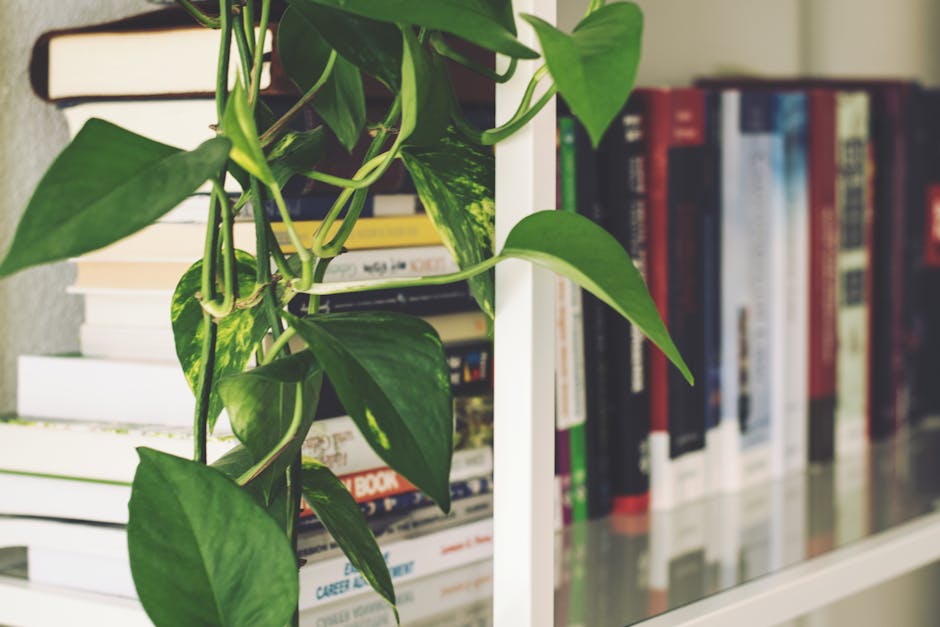
- • The Physics of Shade: What "Low Light" Actually Means in Your Living Room
- • Choosing Your Fighters: Which Plants Can Actually Take the Abuse?
- • Watering Low-Light Plants: The Silent Killer
- • Tricks to Maximize Every Single Photon
- ↳ When to Wave the White Flag: Artificial Lighting Solutions
- ↳ Can low-light houseplants survive with no windows at all?
- ↳ How often should I fertilize plants in low light?
- ↳ Why are the lower leaves of my low-light plant turning yellow and dropping?
- ↳ Should I dust my indoor houseplants?
Key Takeaways & Quick Overview
AI Verified
- ✔How to keep indoor houseplants alive and healthy in low light guide let’s be honest for a second.
- ✔We’ve all bought that gorgeous, deep-green foliage plant from the trendy nursery, convinced it will transform our dark, cave-like apartment into an urban jungle.
- ✔Three weeks later? it’s dropping leaves like a weeping willow, turning brown, and basically begging for mercy.
- ✔Here’s the ugly truth: most plant tags lie.
The Physics of Shade: What “Low Light” Actually Means in Your Living Room
When plant nerds talk about low light, they aren’t talking about pitch darkness. Plants are solar panels. If you don’t give them enough juice, their internal batteries simply run flat. I’ve noticed a massive misconception among beginners: people think human eyes adjust to dim rooms, so plants must adjust too. False. Your eyes are evolutionary marvels that compensate for shadows. Chloroplasts do not.
In interior design terms, low light usually means a north-facing window, a room positioned ten feet away from a south-facing window, or an office space powered entirely by flickering fluorescent tubes. According to guidelines from the Royal Horticultural Society, shade-tolerant species evolved under dense tropical tree canopies where they caught filtered, dappled sunbeams. Replicating that inside a concrete box requires deliberate strategy, not wishful thinking.
- North-facing windows: Consistent, cool light all day long. Safe for true shade-lovers.
- East-facing windows: Gentle morning rays. Good, but fading fast by noon.
- Interior rooms: Zero direct sun. High risk zone. Proceed with caution.
Choosing Your Fighters: Which Plants Can Actually Take the Abuse?
Stop trying to force a fiddle-leaf fig to live in a windowless hallway. It won’t work. Trust me on this. If your space lacks punchy natural illumination, you need to curate a lineup of botanical tanks. We are talking about species that have adapted to endure drought, neglect, and chronic gloom.
Snake plants (Sansevieria), ZZ plants (Zamioculcas zamiifolia), and cast-iron plants (Aspidistra elatior) are the holy trinity of low-light survival. These are the plants you hand to someone with a proven black thumb. Their cellular structures are packed with water-storage capacity and slow-burn metabolism. They don’t want to grow fast; they just want to stay alive. The NASA Clean Air Study even highlighted several of these hardy varieties for their ability to filter indoor pollutants while operating on minimal metabolic energy.

Watering Low-Light Plants: The Silent Killer
Overwatering is the number one cause of houseplant homicide. Period. When a plant sits in a dark corner, its physiological processes slow down to a crawl. It isn’t drinking water quickly because it isn’t photosynthesizing rapidly. Pouring a full cup of water into a low-light pot every single week is the equivalent of force-feeding a sleeping bear.
Here is your golden rule: Let the soil dry out significantly between waterings. Stick your index finger two inches deep into the dirt. If it feels cool or damp at the knuckle, step away from the watering can. Wait another week. When you do water, drench the soil completely until it runs out of the drainage holes, then empty the saucer. Never let your pots sit in standing puddles. Root rot is an anaerobic nightmare that creeps in silently, turning firm roots into mushy, foul-smelling yarn.
Tricks to Maximize Every Single Photon
If your room is dim, you have to act like a lighting director on a movie set. Every ray counts. You can cheat physics just a little bit with smart environmental tweaks.
First, clean your plant’s leaves regularly. Dust acts like a physical sunscreen, blocking the tiny amount of light trying to hit the foliage. Take a damp microfiber cloth and gently wipe down those broad leaves every month. Second, think about reflective surfaces. Placing a large mirror opposite your tiny window will bounce ambient daylight deeper into the room. It sounds basic, but it doubles the effective light footprint for your green roommates.
When to Wave the White Flag: Artificial Lighting Solutions
Sometimes, nature simply fails you. If your apartment has zero natural light, you don’t necessarily have to live in a barren wasteland. Modern LED grow bulbs have completely changed the game. You no longer have to use obnoxious, buzzing purple blurple lights. Standard screw-in full-spectrum LED bulbs—often rated at 5000K to 6500K—can be plugged into a regular desk lamp and positioned two feet above your plant for twelve hours a day. It acts as an artificial sun replacement, saving your favorite low-light specimens from slow starvation.
Frequently Asked Questions
Can low-light houseplants survive with no windows at all?
No plant can survive in pitch darkness indefinitely. While some hardy species like ZZ plants can tolerate windowless offices for months, they are essentially running on stored energy reserves. To keep them healthy long-term, you must provide either artificial grow lights or rotate them into a brighter space periodically.
How often should I fertilize plants in low light?
Barely ever. Because low-light conditions slow down a plant’s growth rate, they require very little nutrition. Fertilizing a dim-room plant every month will lead to a buildup of mineral salts in the soil, which burns the roots. Feed them once or twice a year during the peak spring and summer growing season using a heavily diluted liquid fertilizer.
Why are the lower leaves of my low-light plant turning yellow and dropping?
This is usually a classic symptom of overwatering combined with insufficient light. As the plant struggles to process moisture in the dim environment, it sacrifices its oldest leaves to conserve energy. Let the soil dry out completely, move the plant slightly closer to a light source, and check the roots for signs of rot.
Should I dust my indoor houseplants?
Yes. Dust blocks stomata (the microscopic pores plants use to breathe) and reduces the amount of light absorbed by chlorophyll. Wiping down large leaves with a damp cloth every few weeks keeps your plants healthy and looking vibrant.