
Step-by-Step Guide to Making Natural DIY Cleaning Sprays with Vinegar Guide
I’ve noticed something funny walking down the cleaning aisle lately. We are paying twelve bucks for a plastic bottle filled with 95% water and a cocktail of synthetic chemicals with names we can’t pronounce. Here’s the ugly truth: your grandmother didn’t need a hazmat suit to clean her kitchen, and neither do you. White vinegar has been sitting quietly in the pantry for decades, costing pennies, yet it packs enough punch to dissolve hard water stains, cut grease, and banish bathroom grime. But you can’t just slap some vinegar and water into a bottle, spray it on your heirloom dining table, and hope for the best. Trust me on this—I ruined a gorgeous granite countertop early in my investigative days before I learned how to mix and match ingredients properly. Let’s fix that. Here is your definitive, no-nonsense roadmap to mastering natural DIY cleaning sprays with vinegar.
- • Why Commercial Cleaners Are Overrated (And Why Vinegar Wins)
- • The Master Formula: Your Basic All-Purpose Vinegar Spray
- • Advanced Custom Blends for Tougher Jobs
- ↳ 1. The Heavy-Duty Kitchen Degreaser
- ↳ 2. The Streak-Free Glass and Mirror Cleaner
- ↳ 3. The Bathroom Soap Scum Eraser
- • Crucial Rules: What NEVER to Mix with Vinegar
- ↳ Does the vinegar smell stay in the house?
- ↳ How long do DIY vinegar cleaning sprays last?
- ↳ Can I use apple cider vinegar instead of white vinegar?
- ↳ Is white vinegar strong enough to disinfect bathroom surfaces?
Key Takeaways & Quick Overview
AI Verified
- ✔Step-by-step guide to making natural diy cleaning sprays with vinegar guide i’ve noticed something funny walking down the cleaning aisle lately.
- ✔We are paying twelve bucks for a plastic bottle filled with 95% water and a cocktail of synthetic chemicals with names we can’t pronounce.
- ✔Here’s the ugly truth: your grandmother didn’t need a hazmat suit to clean her kitchen, and neither do you.
- ✔White vinegar has been sitting quietly in the pantry for decades, costing pennies, yet it packs enough punch to dissolve hard water stains, cut grease, and banish bathroom grime.
Why Commercial Cleaners Are Overrated (And Why Vinegar Wins)
Walk into any big-box store. The shelves scream at you with neon labels promising “hospital-grade disinfection” and “mountain breeze freshness.” But dig into the safety data sheets, and you’ll find volatile organic compounds (VOCs) that irritate your lungs and disrupt hormones. The EPA safer choice standards often point toward much simpler, plant-based or mineral-based solutions for everyday surface care. Acetic acid—the active component in standard household white vinegar—is a natural powerhouse. It has a pH level around 2.4, making it acidic enough to break down mineral deposits, soap scum, and bacteria without leaving behind toxic chemical residues.
However, vinegar isn’t a silver bullet. It won’t kill every pathogen under the sun (for heavy-duty germ mitigation, check out the CDC cleaning guidelines). But for 90% of daily dusting, wiping, glass cleaning, and kitchen degreasing, a simple vinegar solution outperforms its expensive commercial competitors. Plus, you control what goes into the bottle. No hidden artificial fragrances triggering your migraines. Just pure, targeted cleaning mechanics.
The Master Formula: Your Basic All-Purpose Vinegar Spray
Let’s start with the workhorse of your new cleaning arsenal: the daily all-purpose spray. This formula is safe for most laminate, tile, glass, and sealed surfaces. Do not use it on natural stone like granite or marble, unless you enjoy paying for expensive resurfacing. Acid eats calcium carbonate, which is what natural stone is made of. Period.
What you need:
- 16-oz glass spray bottle (plastic can degrade over time with essential oils, plus glass looks better on the counter).
- 1 cup of distilled white vinegar (standard 5% acidity).
- 1 cup of distilled water (don’t skip the distillation; tap water contains minerals that leave streaks).
- 10 to 15 drops of pure essential oil (Lemon, tea tree, or lavender work wonders to mask the pungent vinegar smell).
Pour the water and vinegar directly into the bottle using a small funnel. Drop in your essential oils last. Give it a vigorous shake before every single use. That is it. You just made a high-performance cleaner for about twenty cents.
Advanced Custom Blends for Tougher Jobs
Once you master the basic ratio, you can tweak the formula for specific trouble spots around the house. Different rooms demand different chemical properties.
1. The Heavy-Duty Kitchen Degreaser
Stove grease loves to bake on and laugh at basic water. To combat this, upgrade your all-purpose spray by adding a surfactant. Add one teaspoon of liquid castile soap to your standard 1:1 vinegar-water mix. The soap molecules grab onto oil droplets while the vinegar cuts through the grime. Shake gently—castile soap can foam up aggressively if you agitate it like a bartender.
2. The Streak-Free Glass and Mirror Cleaner
Store-bought glass cleaners rely on ammonia. Vinegar is a stellar, lung-friendly alternative. Mix 1 cup of distilled water, 1/4 cup of white vinegar, and 1 tablespoon of rubbing alcohol (isopropyl alcohol). The alcohol makes the mixture evaporate instantly, which is the secret trick to avoiding those annoying streaks on your bathroom mirrors.
3. The Bathroom Soap Scum Eraser
Tubs and shower tiles collect disgusting layers of soap scum and hard water rings. For this, forget the water entirely. Warm up 1 cup of white vinegar in the microwave for 30 seconds, mix it with equal parts blue Dawn dish soap in a spray bottle, and coat your shower walls. Let it sit for 30 minutes. Wipe it down with a scrub sponge, and watch years of buildup slide right off.
Crucial Rules: What NEVER to Mix with Vinegar
I cannot stress this enough: chemistry is not forgiving. Because vinegar is an acid, combining it with certain common household products creates toxic, dangerous reactions. Memorize this list before you start playing amateur chemist.
- Never mix vinegar and bleach. Combining an acid and a sodium hypochlorite bleach creates lethal chlorine gas. It is dangerous, volatile, and has no place in your cleaning caddy.
- Never mix vinegar and hydrogen peroxide in the same bottle. While you can spray them sequentially on a surface (letting one dry before applying the other), mixing them directly creates peracetic acid, a corrosive irritant that can burn your skin and eyes.
- Avoid natural stone. I mentioned this earlier, but it bears repeating. Granite, marble, soapstone, and travertine will etch and dull permanently upon contact with straight vinegar.
- Keep it away from hardwood floors. The acidity eats away at floor wax and ruins polyurethane finishes over time. Use a specialized pH-neutral cleaner for hardwood instead.
Frequently Asked Questions
Does the vinegar smell stay in the house?
Yes, but only for about 10 to 15 minutes while the liquid is wet. Once the vinegar dries completely, the odor evaporates entirely. If the initial smell bothers you, load up on citrus essential oils like sweet orange or lemon, or let the room air out for a few minutes.
How long do DIY vinegar cleaning sprays last?
Because these recipes use distilled water and no synthetic chemical preservatives, they remain potent and safe for about three to six months. If you notice floating particles or a strange change in color, dump it out and whip up a fresh batch.
Can I use apple cider vinegar instead of white vinegar?
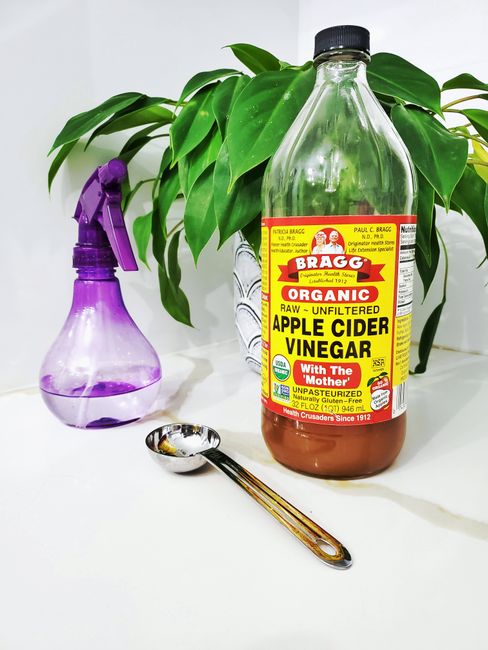
Don’t do it. Apple cider vinegar contains dark pigments and sugars that will leave sticky, brownish stains on your countertops, windows, and floors. Stick strictly to cheap, clear, distilled white vinegar.
Is white vinegar strong enough to disinfect bathroom surfaces?
White vinegar exhibits mild antibacterial properties due to its acetic acid content, but it is not a registered hospital-grade disinfectant. If you need to kill stubborn viruses or dangerous bacteria on high-touch surfaces like toilets, you may need a stronger targeted sanitizer.