
Let’s talk about the drawer of death. We all have one. It’s stuffed to the breaking point with faded concert tees from 2014, race shirts you never wear, and promotional cotton shirts from tech companies that went belly-up a decade ago. Throwing them in the trash feels wrong. Donating them to thrift stores that will just bale them up and ship them to a landfill in the Global South feels worse. Here’s the ugly truth: most old clothes are completely unwearable. But that doesn’t mean their life is over. I’ve noticed a massive shift in how people handle household waste lately, and honestly? Turning those retired tees into high-performance cleaning rags is the single most practical thing you can do this weekend.
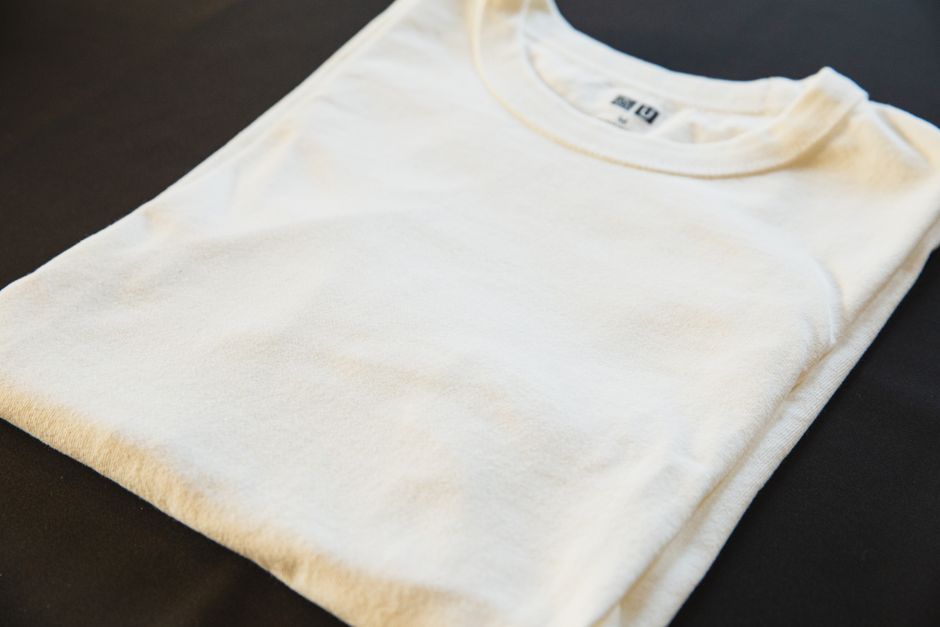
Forget the flimsy, lint-shedding yellow dusters you buy at the big box store. Those things smear grease and fall apart after two wipe-downs. 100% cotton jersey knit—the exact material your favorite cheap t-shirt is made of—is the undisputed king of cleaning. According to data from the EPA sustainable materials management initiatives, textiles make up a staggering percentage of municipal solid waste. By keeping these fibers in rotation, you aren’t just saving three bucks on a roll of paper towels. You’re cutting down on household waste in a way that actually matters.
- • Why Commercial Cleaning Cloths Fail (And Why Your Old Tees Win)
- • The Step-by-Step Blueprint: Processing Your Tees Like a Pro
- ↳ Step 1: The Sorting and Stripping Phase
- ↳ Step 2: Amputating the Hard Ware
- ↳ Step 3: Sizing for Purpose
- • Advanced Pro-Tips for Maximum Durability
- ↳ Can I use shirts with printed logos on them?
- ↳ How do I wash and reuse my cotton rags?
- ↳ What should I do with synthetic or poly-blend t-shirts instead?
- ↳ Are these rags safe for stainless steel appliances?
Key Takeaways & Quick Overview
AI Verified
- ✔Let’s talk about the drawer of death.
- ✔It’s stuffed to the breaking point with faded concert tees from 2014, race shirts you never wear, and promotional cotton shirts from tech companies that went belly-up a decade ago.
- ✔Throwing them in the trash feels wrong.
- ✔Donating them to thrift stores that will just bale them up and ship them to a landfill in the global south feels worse.
Why Commercial Cleaning Cloths Fail (And Why Your Old Tees Win)
Microfiber is all the rage. I get it. It grabs dust. But try wiping down a greasy stovetop with a cheap microfiber cloth and watch what happens. It smears the oil everywhere, traps the grime deep in synthetic fibers where it smells like rancid sebum forever, and eventually sheds microplastics down your drain. Gross.
Old cotton t-shirts operate entirely differently. Jersey knit cotton is breathable, highly absorbent, and—crucially—disposable without guilt. When a rag gets caked in engine grease, wood stain, or toilet bowl cleaner, you don’t spend twenty minutes trying to launder it. You toss it in the trash or burn it in the fire pit.
Trust me on this: once you switch to heavy-duty tee-shirt rags, you will never go back. They have just enough stretch to wrap tightly around your finger when scrubbing grout, and they don’t leave annoying lint trails on your bathroom mirrors. Plus, according to studies on natural fibers absorption rates, untreated cotton pulls up moisture faster and more completely than most synthetic blends.

The Step-by-Step Blueprint: Processing Your Tees Like a Pro
You can’t just hack away at a shirt with kitchen scissors and expect good results. Bad prep leads to fraying, strings getting caught on things, and frustration. Here is the exact protocol I use to process a batch of ten shirts in under fifteen minutes.
Step 1: The Sorting and Stripping Phase
Pull out every shirt in that drawer. Now, check the tags. If it says 100% polyester or a poly-blend higher than 20%, set it aside. Synthetics repel water; they make terrible rags. You want pure, unadulterated cotton. Next, grab a pair of heavy-duty fabric shears. Do not use your kitchen scissors. You will dull them instantly, and you’ll end up with hand cramps.
Step 2: Amputating the Hard Ware
Hems, collars, and thick side seams are the enemy of a good cleaning rag. They are bulky, they trap water, and they scratch delicate surfaces like glass or polished wood.
- Cut straight across the shoulders to remove the sleeves entirely.
- Slice off the collar band completely.
- Trim off the bottom hem.
What you are left with is a clean, rectangular tube of pure jersey knit.
Step 3: Sizing for Purpose
Different cleaning tasks require different cloth sizes. Don’t make every rag the same size. Cut the torso tube down the side seam to open it into a flat sheet. For general dusting and counter wiping, a standard 8×8 inch square is ideal. For heavy-duty jobs—like cleaning out the garage or wiping down baseboards—keep them larger, around 12×15 inches. If you have thin, stained strips left over, cut them into 2-inch wide strips. They make incredible twist-ties for the garden or emergency fire starters.
Advanced Pro-Tips for Maximum Durability
Do you need to sew the edges? Absolutely not. Cotton jersey knit naturally rolls inward at the cut edges when stretched slightly. This “self-sealing” curl actually prevents the fabric from unraveling wildly in the wash.
However, if you want to take your rag game to the professional level, toss your newly cut batch into the washing machine on hot with a cup of white vinegar, followed by a high-heat dry. This pre-shrinks the cotton, strips away any residual industrial sizing or fabric softener (which kills absorbency), and fluffs up the fibers.
According to various textile recycling facts, extending the active lifecycle of a garment by even nine months reduces its carbon and water footprint by 20-30%. You aren’t just cleaning your house; you’re messing with the supply chain math.
Frequently Asked Questions
Can I use shirts with printed logos on them?
Yes, but avoid the chest print area if it features thick, rubbery screen printing or vinyl heat transfers. Those plasticized sections won’t absorb liquid and will scratch glass. Cut around the logos, or use the logo-free back panels for your primary cleaning work.
How do I wash and reuse my cotton rags?
Wash them separately from your regular clothes, especially if you use them for garage work, grease, or harsh chemicals. Run them on a hot water cycle with a heavy-duty detergent and oxygen bleach. Skip the liquid fabric softener—it coats the cotton fibers in a waxy residue that ruins their absorbency.
What should I do with synthetic or poly-blend t-shirts instead?
If they aren’t fit for donation, look for local textile recycling drop-off bins (often found at larger retail chains or municipal waste sites). Alternatively, cut them into strips and use them as heavy-duty plant ties in the garden where moisture absorbency doesn’t matter.
Are these rags safe for stainless steel appliances?
They are better than paper towels, which can leave microscopic scratches on high-end stainless steel. For a streak-free finish on stainless steel, use one damp cotton rag to clean off grime, followed immediately by a completely dry cotton rag to buff it out.