
I’ve seen it happen a hundred times. A homeowner gets bit by the DIY bug, drives down to the big box store, and drops six hundred bucks on a heavy-duty rotary hammer drill because it looks cool on the shelf. They drill two holes in their concrete foundation, put the tool back in its molded plastic case, and push it to the dark, dusty corner of the garage. Five years later, they host a garage sale and sell it for forty bucks to a guy grinning like he just hit the lottery. Here’s the ugly truth: we are addicted to ownership. We think buying equals being prepared, but most of the time, it just equals financial self-sabotage.
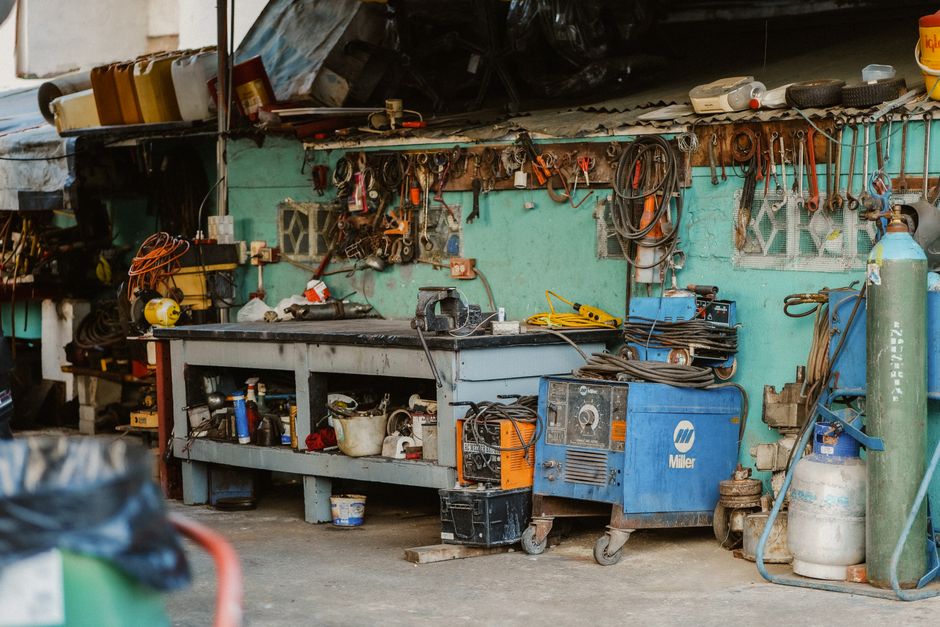
Trust me on this—your garage isn’t a museum of good intentions. Every single piece of equipment you own takes up physical space, demands maintenance, and loses value the second you swipe your credit card. When you are staring down a weekend project, the mental math of buying vs renting home tools usually gets hijacked by optimism. Let’s strip away the marketing fluff and look at the actual economics of hardware so you can keep your cash in your wallet.
- • The 10-Percent Rule: When Buying Actually Makes Sense
- • Hidden Costs of Ownership: Maintenance, Storage, and Depreciation
- ↳ Why Specialized Gear is Almost Always a Rental
- • The Psychology of the Project Timeline
- • When to Borrow from a Neighbor (The Social Contract)
- • Final Verdict: Building Your Core Arsenal
- ↳ Is it cheaper to rent or buy power tools long-term?
- ↳ What tools should every homeowner actually own?
- ↳ What are the hidden costs of tool ownership?
- ↳ How do rental yards handle damaged equipment?
Key Takeaways & Quick Overview
AI Verified
- ✔A homeowner gets bit by the diy bug, drives down to the big box store, and drops six hundred bucks on a heavy-duty rotary hammer drill because it looks cool on the shelf.
- ✔They drill two holes in their concrete foundation, put the tool back in its molded plastic case, and push it to the dark, dusty corner of the garage.
- ✔Five years later, they host a garage sale and sell it for forty bucks to a guy grinning like he just hit the lottery.
- ✔Here’s the ugly truth: we are addicted to ownership.
The 10-Percent Rule: When Buying Actually Makes Sense
Look, I’m not telling you to rent a hammer. If you use a tool constantly, buying is a no-brainer. But what constitutes “constantly”? Let’s talk about the math.
I use the 10-percent rule. If the total cost of renting a specific piece of equipment over its projected lifespan equals more than 10 percent of the purchase price, you buy it. Take a standard cordless drill and impact driver combo. You’re going to hang shelves, assemble furniture, fix loose cabinet hinges, and build a deck planter. You will touch that drill fifty times a year. Renting it twice a month would bankrupt you. Buying it for two hundred bucks is a smart play.
According to Consumer Reports, common hand tools and mid-tier cordless power systems pay for themselves within three to four DIY projects. But notice the keyword there: mid-tier. Unless you are framing houses for a living, you don’t need the industrial-grade, brushless motor setup that costs as much as a weekend trip to Vegas. Buy for your actual frequency, not your ego.
Hidden Costs of Ownership: Maintenance, Storage, and Depreciation
Let’s talk about the silent killers of your bank account. When you buy a tool, you aren’t just paying the sticker price. You are signing up for long-term responsibilities.
First, gas-powered tools hate sitting idle. Leave ethanol-blended fuel in a lawn aerator or pressure washer over the winter, and by spring, you’re looking at a gummed-up carburetor that won’t turn over. Now you’re spending your Saturday morning cleaning fuel lines or paying a small engine repair shop eighty bucks just to look at it. Second, think about space. Real estate in your garage isn’t free. If a bulky tile saw or a concrete mixer is taking up square footage that could house your car, you are paying an invisible storage tax.

Then there’s depreciation. The moment you open that cardboard box, your asset sheds thirty percent of its value. When you evaluate the home improvement tool selection process, factor in depreciation alongside your initial outlay. If you buy a specialized floor sander for twelve hundred bucks to refinish your living room floor, use it once, and try to sell it on Facebook Marketplace, you’ll be lucky to get four hundred dollars back. Meanwhile, you could have used a Home Depot Tool Rental service for a weekend for around seventy bucks. The math isn’t even close.
Why Specialized Gear is Almost Always a Rental
There is a distinct category of hardware that no sane homeowner should ever own. These are the single-use titans:
- Drywall lifts (used once per room remodel)
- Stump grinders (used when nature strikes)
- Carpet stretchers (used once every decade)
- Heavy-duty demolition hammers (unless you hate your foundation)
If you only need a tool for a specific phase of a project that will never repeat, renting isn’t just cheaper—it’s liberating. You pick it up, beat the hell out of it on your project, and return it covered in dust without shedding a single tear.
The Psychology of the Project Timeline
Here is an angle the financial blogs never mention: project anxiety. When you own a tool, you have infinite time. Because you have infinite time, you have zero urgency.
I once watched a neighbor buy a commercial-grade paint sprayer for a fence-painting project. Because he owned it, he figured, “I can do one section a week after work.” That fence sat half-painted for four months. The sprayer sat on his workbench, collecting overspray and dust. Eventually, the paint dried out inside the pump, destroying the unit.
Now, flip the script. You rent a walk-behind sod cutter for a Saturday. The clock is ticking. You are paying for a 24-hour window. Suddenly, you aren’t procrastinating. You aren’t scrolling through your phone on the patio. You are locked in, highly efficient, and getting the job done because financial gravity is pressing down on you. Renting forces execution. If you struggle with chronic project drag, the rental counter is your best accountability partner.
When to Borrow from a Neighbor (The Social Contract)
Before you open your wallet for a purchase or a rental, look across the fence. The suburban tool-sharing economy is alive and well, but it comes with a strict set of unwritten rules.
Borrowing a ladder or a post-hole digger from your neighbor is fine, if and only if you abide by the prime directive: Return it cleaner than you found it, with a full tank of gas if applicable. If you break a borrowed tool, you don’t offer to fix it—you replace it with a brand-new equivalent before they even have to ask. Abuse this trust once, and you’ll forever be the guy everyone avoids when they see walking down the driveway.
However, don’t make a habit of leaning on your neighbors for major projects. If you need a heavy-duty auger for an entire weekend of fence building, pony up and rent the professional-grade machine. Preserving neighborly goodwill is worth way more than the fifty-dollar rental fee.
Final Verdict: Building Your Core Arsenal
So where do we land? Keep your baseline kit lean and mean. Own the daily drivers: a reliable drill, a circular saw, a tape measure, a stud finder, and a solid hammer. For everything else—the heavy iron, the precision specialty items, and the once-in-a-decade monsters—let someone else store them, service them, and depreciate them. Your garage will thank you, your spouse will thank you, and your bank account will finally stop bleeding.
Frequently Asked Questions
Is it cheaper to rent or buy power tools long-term?
For everyday basic tools (drills, impact drivers, basic saws), buying is significantly cheaper in the long run because you will use them across multiple projects over years. For specialized, heavy-duty, or single-use equipment (tile saws, floor sanders, concrete mixers), renting is always cheaper because you avoid maintenance, storage issues, and massive initial depreciation.
What tools should every homeowner actually own?
Stick to the essentials: a cordless drill/driver set, a 16-oz claw hammer, a tape measure, a set of screwdrivers, a utility knife, an adjustable wrench, a stud finder, and a basic level. This core kit covers about 80 percent of minor home maintenance and hanging tasks.
What are the hidden costs of tool ownership?
Ownership isn’t just the sticker price. You have to account for consumable maintenance (replacement blades, drill bits, small engine tune-ups), storage space in your home or garage, insurance if it’s high-value gear, and the steep depreciation loss if you decide to resell it later.
How do rental yards handle damaged equipment?
Most reputable tool rental companies offer a nominal damage waiver (usually around 10 percent of the rental cost) that covers normal wear and tear and accidental damage. However, if equipment is lost, stolen, or willfully abused outside normal operating parameters, you are typically on the hook for full replacement or repair costs.